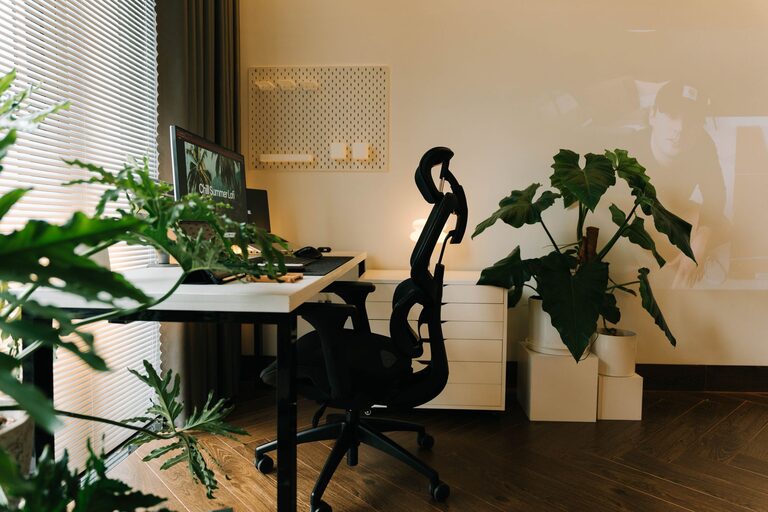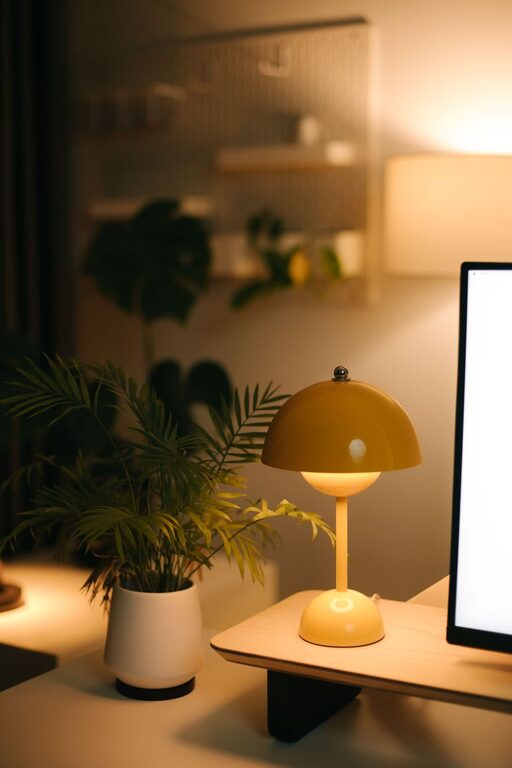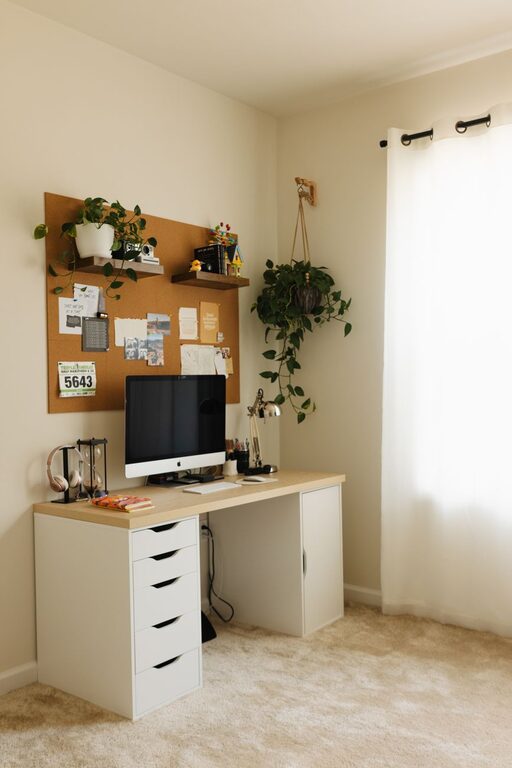
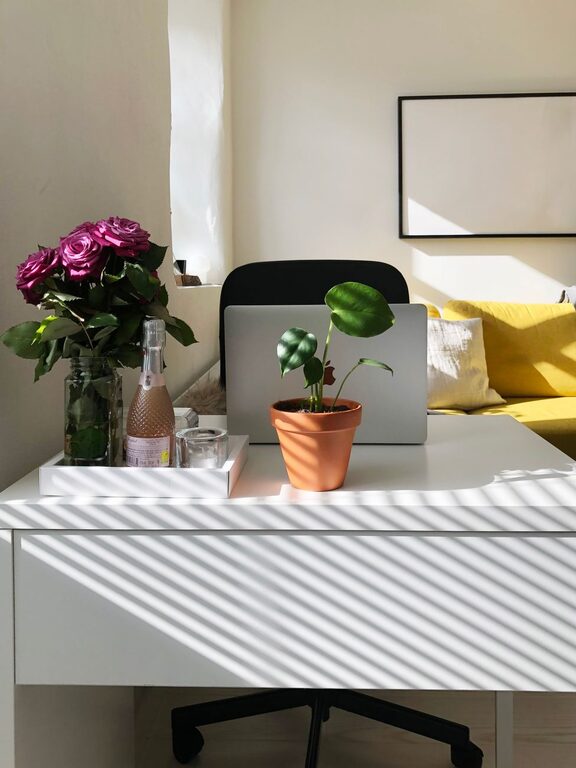
Creating a relaxing home workspace is key to maintaining productivity and keeping stress at bay while working or studying from home. A well-designed workspace can help you focus better, reduce distractions, and improve your overall mood. Below are practical tips to help you set up a calming and efficient area where you can do your best work.
Choose the Right Location
Finding the ideal spot in your home is the first step. Consider these factors:
– Natural Light: Choose a place near a window to benefit from daylight, which helps improve mood and alertness.
– Quiet Environment: Pick a room or corner that’s free from loud noises and interruptions.
– Space Availability: Make sure there is enough room for your desk, chair, and any other equipment you need.
Invest in Comfortable Furniture
Comfort plays a huge role in staying productive. Here’s what to focus on:
– Ergonomic Chair: A supportive chair will help prevent back pain and encourage good posture.
– Appropriate Desk Height: The desk should be at a height where your arms rest comfortably while typing or writing.
– Extra Seating: If you have space, add a small chair or ottoman for breaks or casual reading.
Declutter and Organize
A tidy workspace helps clear your mind and makes it easier to find what you need.
– Keep Essentials Handy: Only have the items you use daily on your desk.
– Use Storage Solutions: Drawers, shelves, and organizers keep your space neat and prevent clutter.
– Cable Management: Secure and hide cords with clips or sleeves to avoid visual chaos.
Personalize Your Space
Adding a few personal touches can make your workspace inviting and inspiring.
– Plants: Greenery not only beautifies your space but also improves air quality and reduces stress.
– Artwork and Photos: Select calming images or photos that bring positive memories.
– Color Choices: Use soft, neutral colors or your favorite calming tones for walls or décor.
Control Lighting and Temperature
Proper lighting and a comfortable temperature contribute to focus and well-being.
– Task Lighting: Use a desk lamp to reduce eye strain during detailed work.
– Adjustable Window Treatments: Blinds or curtains help control sunlight and glare.
– Maintain Comfort: Keep the room at a moderate temperature to avoid discomfort.
Minimize Distractions
Creating boundaries is essential for maintaining concentration.
– Use Headphones or Sound Machines: Noise-cancelling headphones or white noise can block out distractions.
– Set Boundaries with Household Members: Communicate your working hours to avoid interruptions.
– Limit Access to Non-Work Items: Keep entertainment devices out of sight during work hours.
Incorporate Movement Breaks
Adding opportunities to move can boost energy and focus.
– Stretching or Simple Exercises: Keep doing light stretches or movements every hour.
– Standing Desk Options: Consider a sit-stand desk to alternate positions throughout the day.
– Designate a Break Area: Have a separate spot for breaks to mentally separate work from rest.
Maintain Good Air Quality
Fresh air supports alertness and health.
– Open Windows Regularly: If possible, ventilate the room during breaks.
– Use Air Purifiers: These can reduce dust and allergens.
– Include Plants: As mentioned, some plants help purify the air naturally.
Set a Routine and Keep it Consistent
Your workspace should invite you to work regularly and efficiently.
– Designate Workspace Use: Avoid using your workspace for non-work activities to create a strong mental association.
– Keep It Clean Daily: Spend a few minutes organizing the space at the end of each day.
– Plan Your Workday: Develop a schedule that includes work tasks and breaks to maintain balance.
—
By making thoughtful changes to your home workspace, you can create an environment that supports relaxation and productivity. Remember, your workspace should feel inviting and comfortable to help you stay motivated and achieve your goals. Take one step at a time, personalize to your liking, and enjoy the benefits of a balanced home work area.