Creating a comfortable and productive home office space is essential for anyone working remotely or spending significant time on tasks at home. A well-designed workspace can improve focus, reduce stress, and help you maintain a healthy work-life balance. In this guide, we will explore how to set up a home office that supports your productivity while keeping comfort a priority.
Choosing the Right Location
The first step in creating a home office is selecting a quiet, well-lit spot. Ideally, this space should be separate from high-traffic areas to minimize distractions.
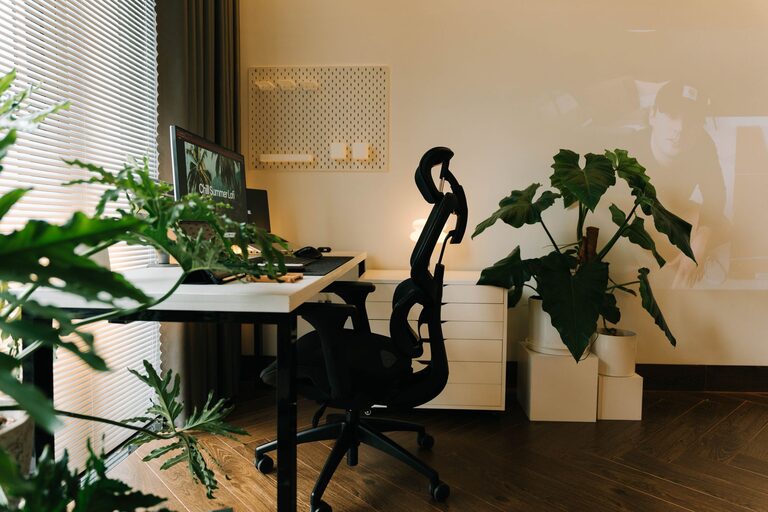
– Natural Light: Position your desk near a window to take advantage of natural light. It enhances mood and reduces eye strain.
– Quiet Environment: Choose a room or corner with minimal noise. If possible, use noise-cancelling headphones or a white noise machine to block out distractions.
– Adequate Space: Ensure there is enough room for your desk, chair, and any equipment or storage you need.
Ergonomic Furniture
Comfort starts with the right furniture. Investing in ergonomic pieces can prevent discomfort and health problems associated with poor posture.
– Office Chair: Select a chair that supports your lower back and encourages you to sit upright. Adjustable height and armrests are a plus.
– Desk: Choose a desk that fits your available space and meets your work needs. Standing desks or adjustable desks offer added flexibility.
– Monitor Placement: Position your computer monitor at eye level and about an arm’s length away to reduce neck and eye strain.
Organizing Your Workspace
A clutter-free workspace helps you stay focused and reduces stress. Use smart organization techniques to keep your office tidy and efficient.
– Storage Solutions: Use shelves, filing cabinets, or desk organizers to store documents and office supplies.
– Cable Management: Keep cords organized with clips, cable sleeves, or under-desk trays to prevent tangling and clutter.
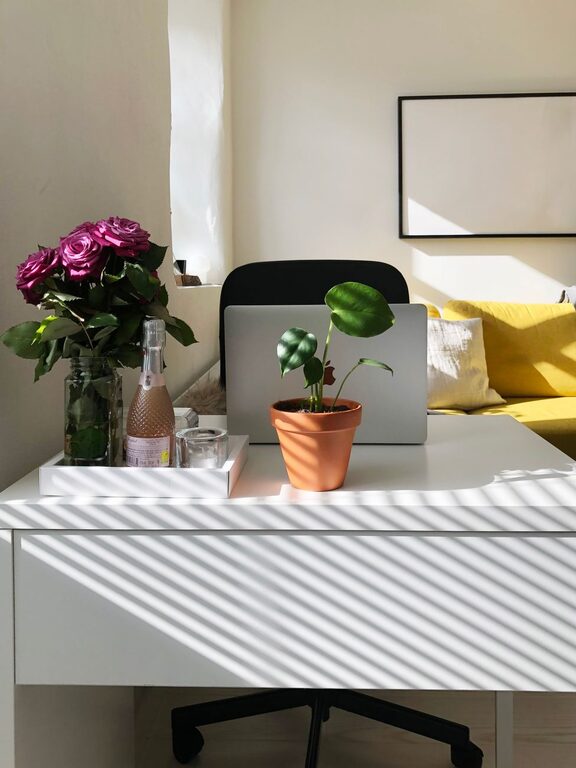
– Minimal Decor: Add personal touches like plants or artwork, but keep decor simple to avoid distractions.
Lighting for Productivity
Good lighting is crucial in a home office, especially if you work late hours.
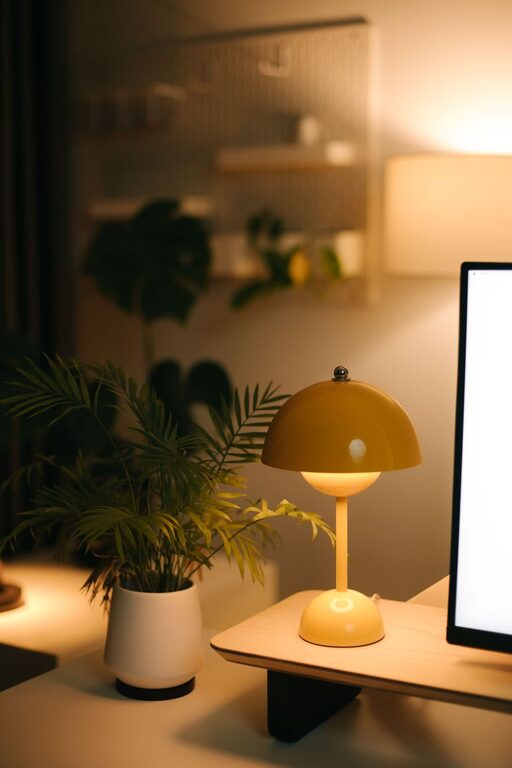
– Layered Lighting: Combine ambient lighting (overhead lights) with task lighting (desk lamps) to create a bright, comfortable workspace.
– Avoid Glare: Position lights to avoid glare on your computer screen. Adjustable lamps can help direct light where you need it.
– Natural Light Balance: Use curtains or blinds to control sunlight and prevent excessive brightness during certain times of the day.
Incorporating Technology
Setting up the right technology makes your work smoother and more efficient.
– Reliable Internet: A fast, stable internet connection is vital for video meetings, cloud work, and research.
– Peripheral Devices: Consider using an external keyboard, mouse, or second monitor to increase comfort and productivity.
– Power Access: Ensure you have enough outlets and surge protectors to power your devices safely.
Creating a Routine and Boundaries
A productive home office is not just about physical setup but also about habits.
– Designate Work Hours: Set clear start and end times for your workday to maintain a good work-life balance.
– Breaks and Movement: Take regular breaks to stretch or walk around to stay energized.
– Separate Work and Personal Life: Avoid working from bedrooms or relaxation areas if possible, so your brain associates your workspace with productivity.
Adding Personal Comfort
Comfort isn’t just ergonomic; it’s also about creating a pleasant environment where you enjoy spending time.
– Climate Control: Adjust temperature and ventilation to stay comfortable throughout the day.
– Plants: Indoor plants can improve air quality and add a touch of nature to your workspace.
– Noise Control: Use rugs, curtains, or acoustic panels to soften sound reflections and create a peaceful atmosphere.
Final Thoughts
Creating a home office that is both comfortable and productive takes a little planning but pays off in improved focus and well-being. By choosing the right location, investing in ergonomic furniture, organizing your space, and establishing good work habits, you’ll build a workspace that supports your success. Remember, your home office should evolve as your needs change, so don’t hesitate to adjust and improve your setup over time.